How Backstabbed Outlets Put Your Whole Home at Risk
Backstabbing is one of those shortcuts that gets used constantly - and causes constant problems. When a wire is simply poked into the back of an outlet instead of wrapped securely around the screw terminal, the connection is only as good as a small spring clip holding it in place. Over time, those clips loosen. And when they do, you get outlets that feel wobbly, stop working, or worse - start running hot.
That's exactly what we ran into here. The homeowner had loose connections showing up throughout the home. We call this kind of fix a Connections Correction. Every wire gets pulled from the backstab holes and properly wrapped around the screw terminals instead. It takes more time. It's a significantly more secure connection. That's just the right way to do it.
We also rewired the outlets in parallel rather than series. Here's why that matters. With series wiring, each outlet is fed power through the one before it - so if one outlet fails, everything downstream goes dead with it. Parallel wiring means each outlet gets its own direct connection. One bad outlet stays isolated. The rest of the circuit keeps running without interruption.
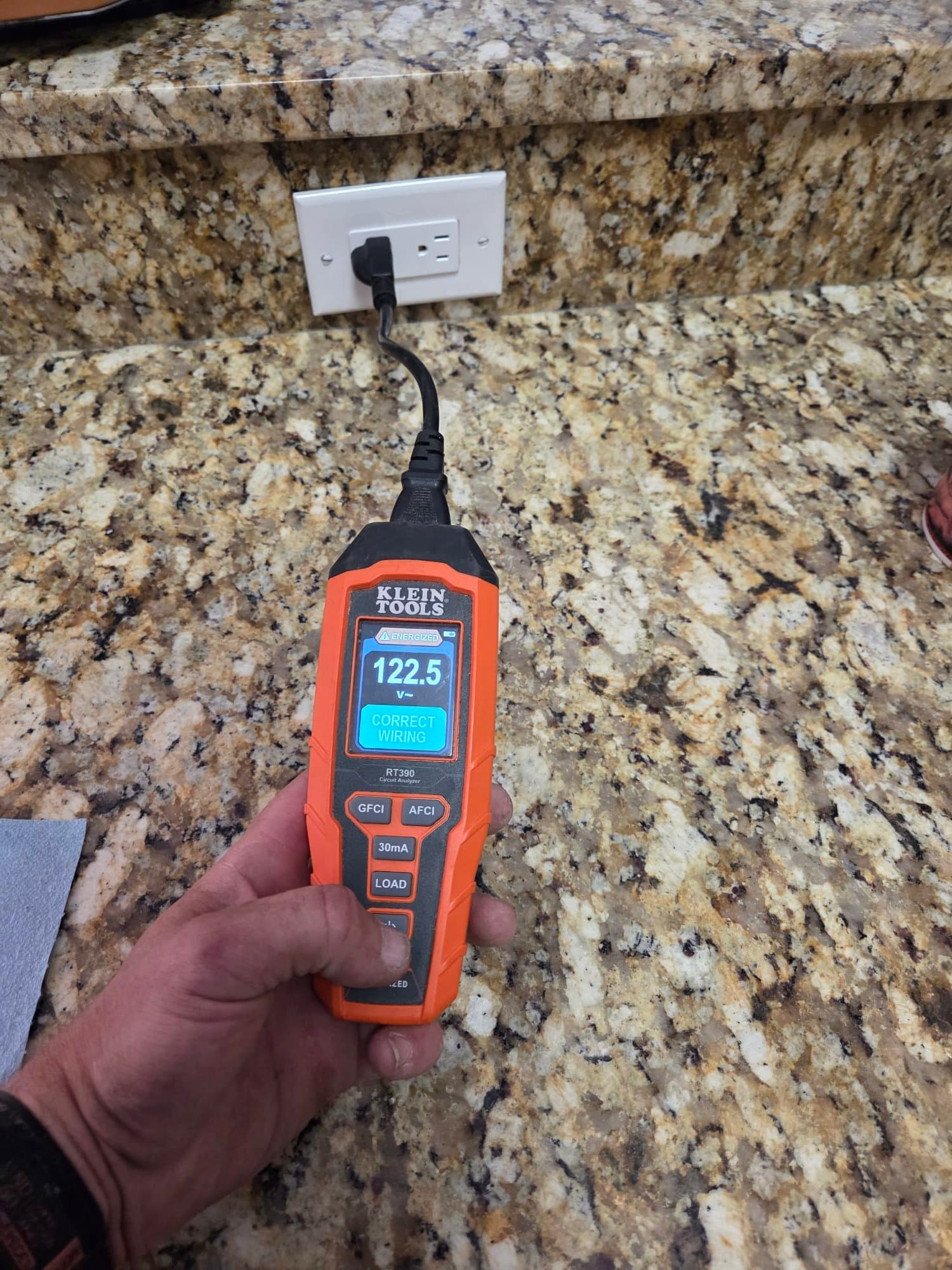
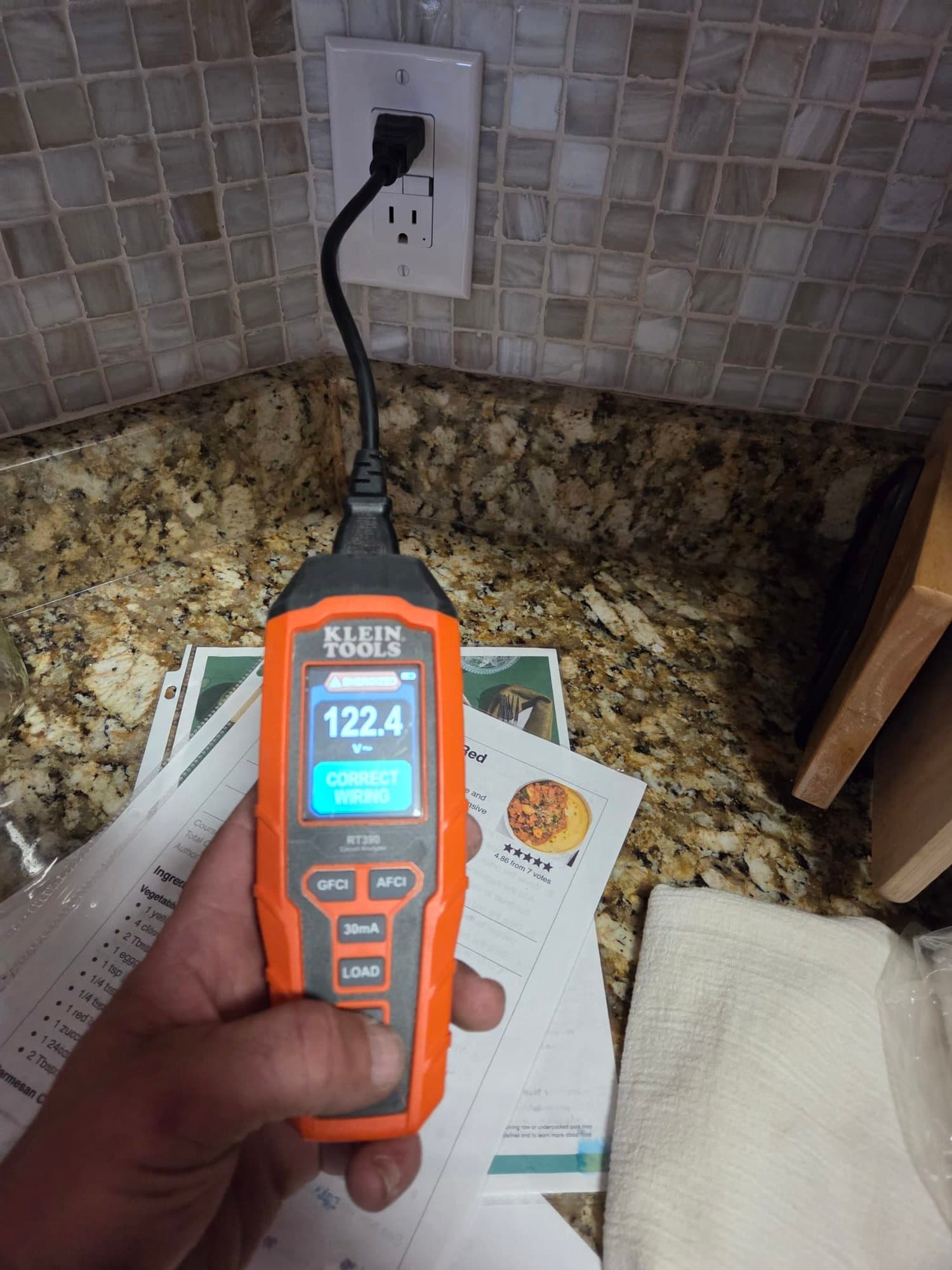
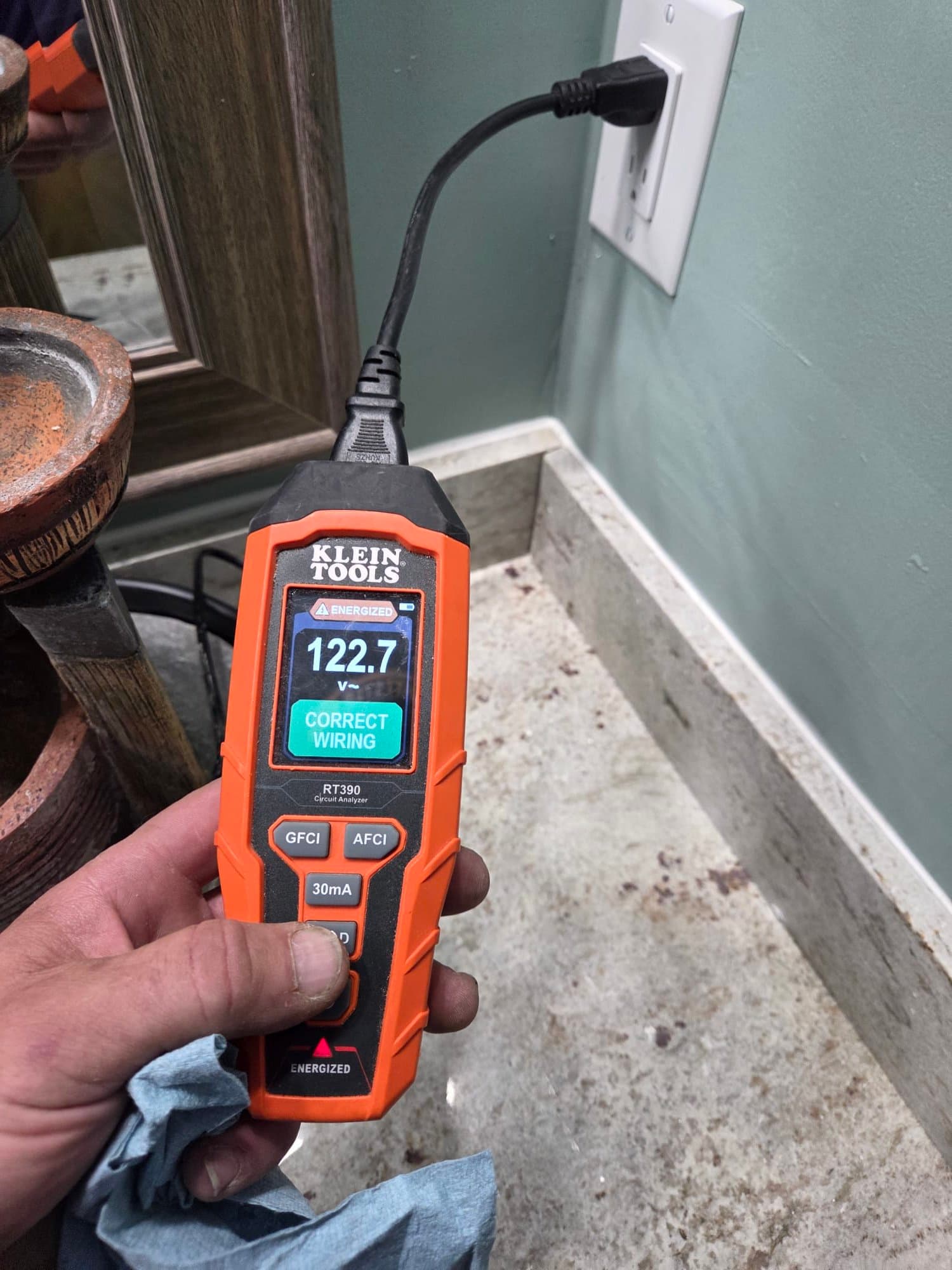
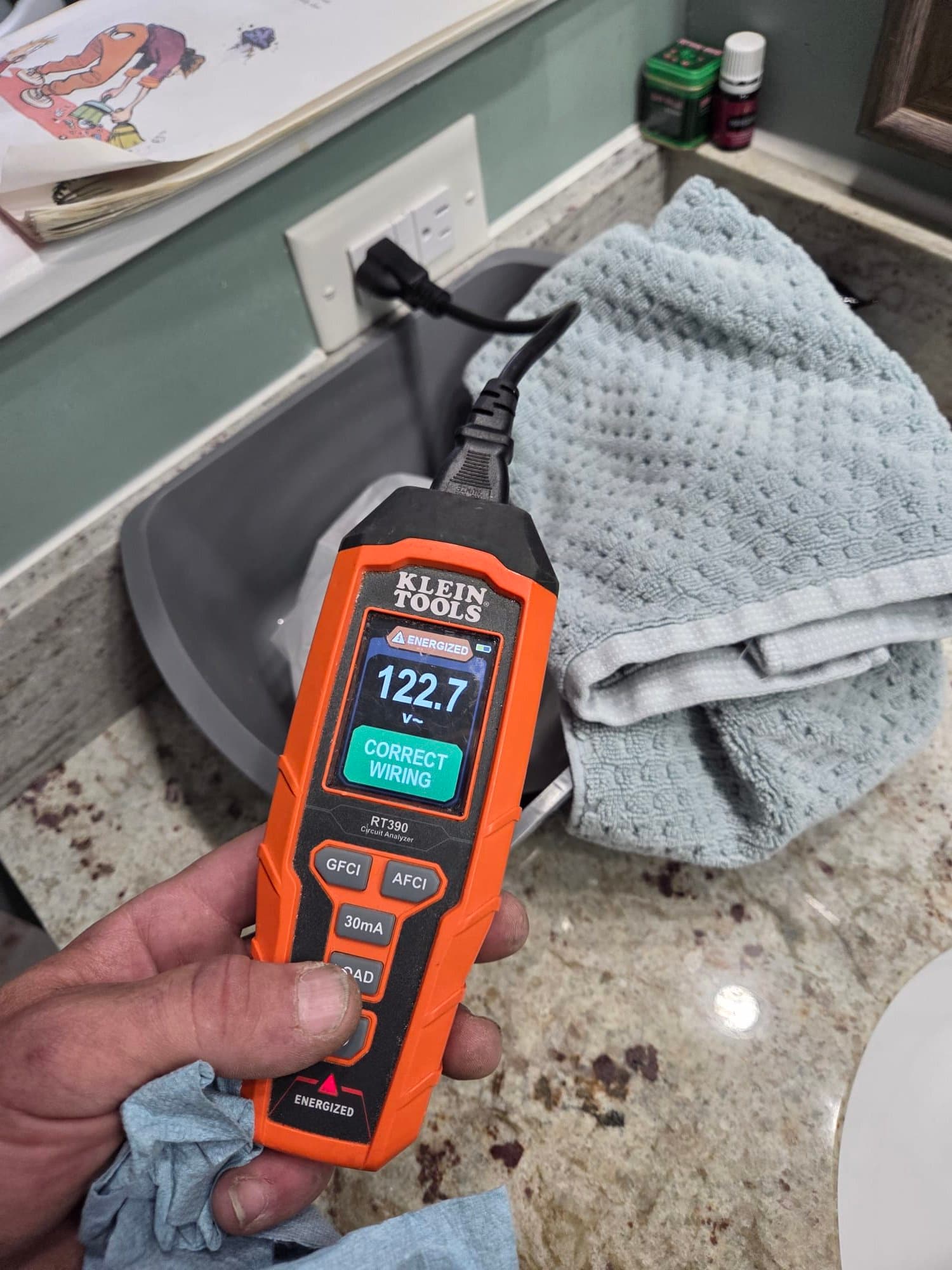
Once everything was rewired, we used a Klein Tools RT390 circuit analyzer to verify every outlet in the home - checking for correct wiring, proper voltage, GFCI and AFCI function, and load performance. Every outlet came back reading "Correct Wiring" with solid voltage readings. That's not something we leave to guesswork. Our safety inspections are built around exactly this kind of thorough, outlet-by-outlet verification.
Backstabbed outlets are still incredibly common in homes - especially older builds. Most homeowners don't know they have them until something stops working or a safety issue shows up. If you've got outlets that feel loose, have stopped working, or you just aren't sure how your home was wired, that's worth looking into.