Fixing a Bad EV Charger Install - 2 Tesla Wall Connectors Done Right
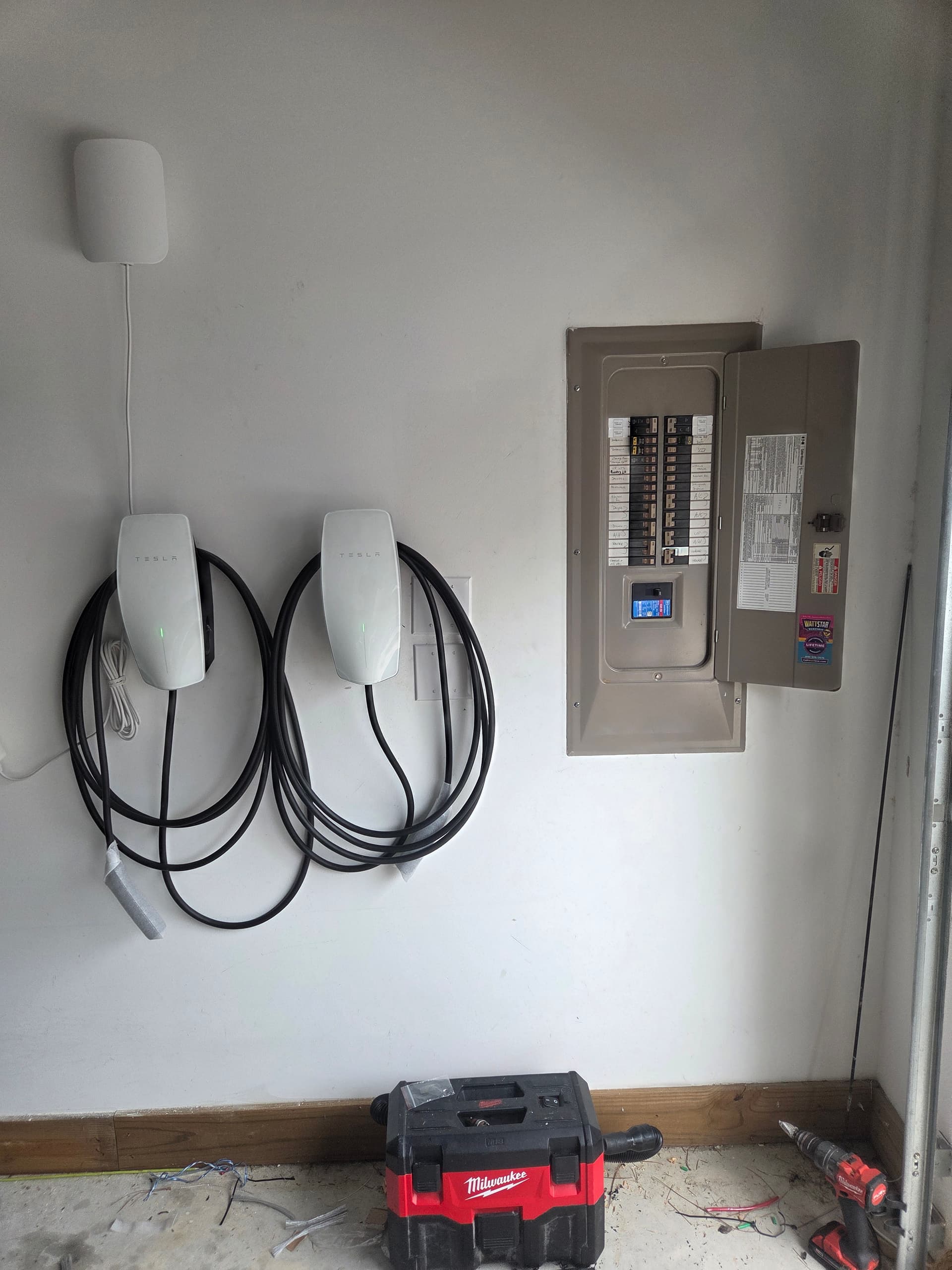
Plug-in EV chargers seem convenient enough - until they start running hot. That's exactly what this homeowner was dealing with. Two plug-in chargers that weren't installed correctly were generating excess heat every single time the vehicles charged. That's not just an inconvenience. That's a fire hazard.
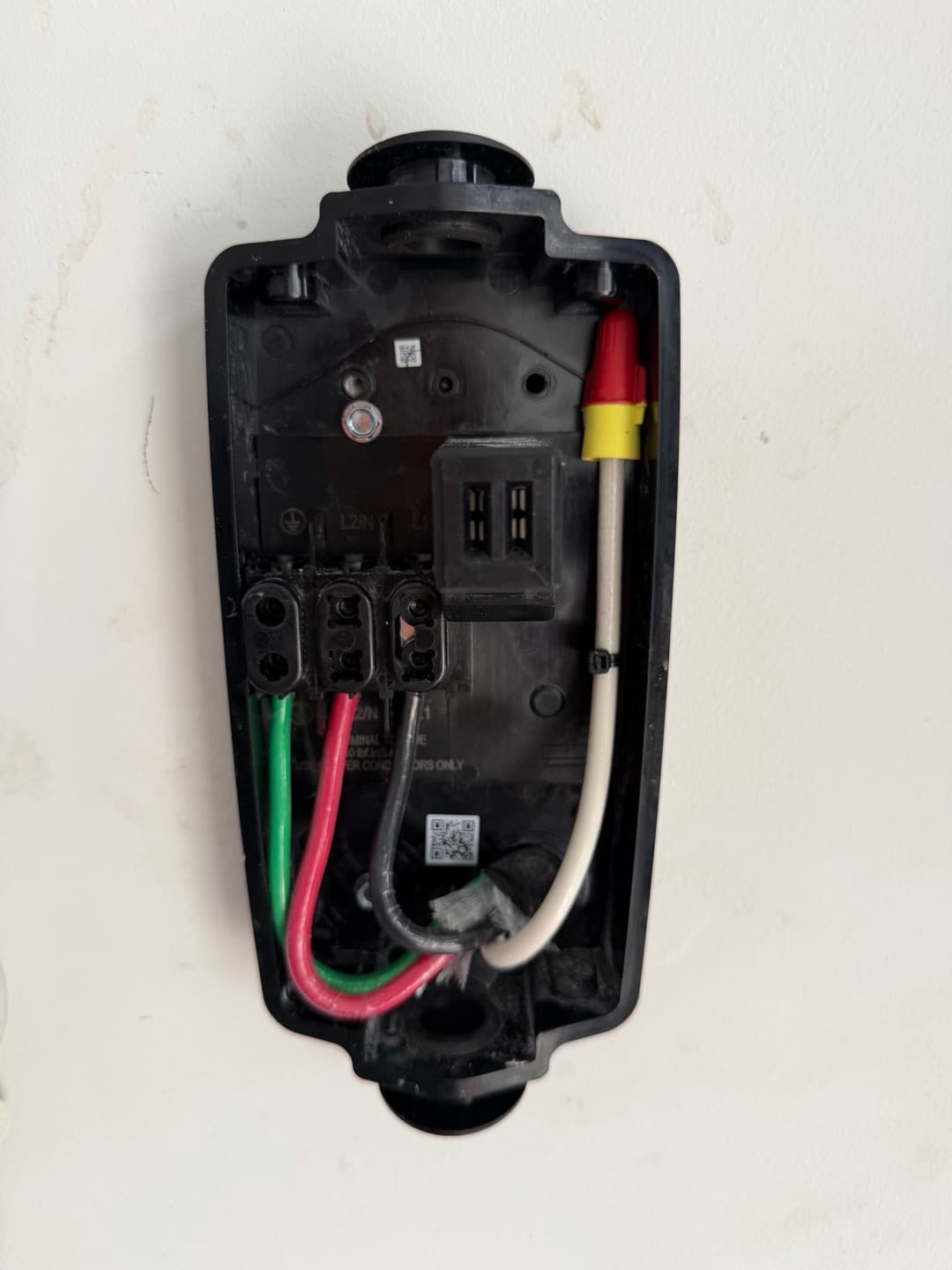
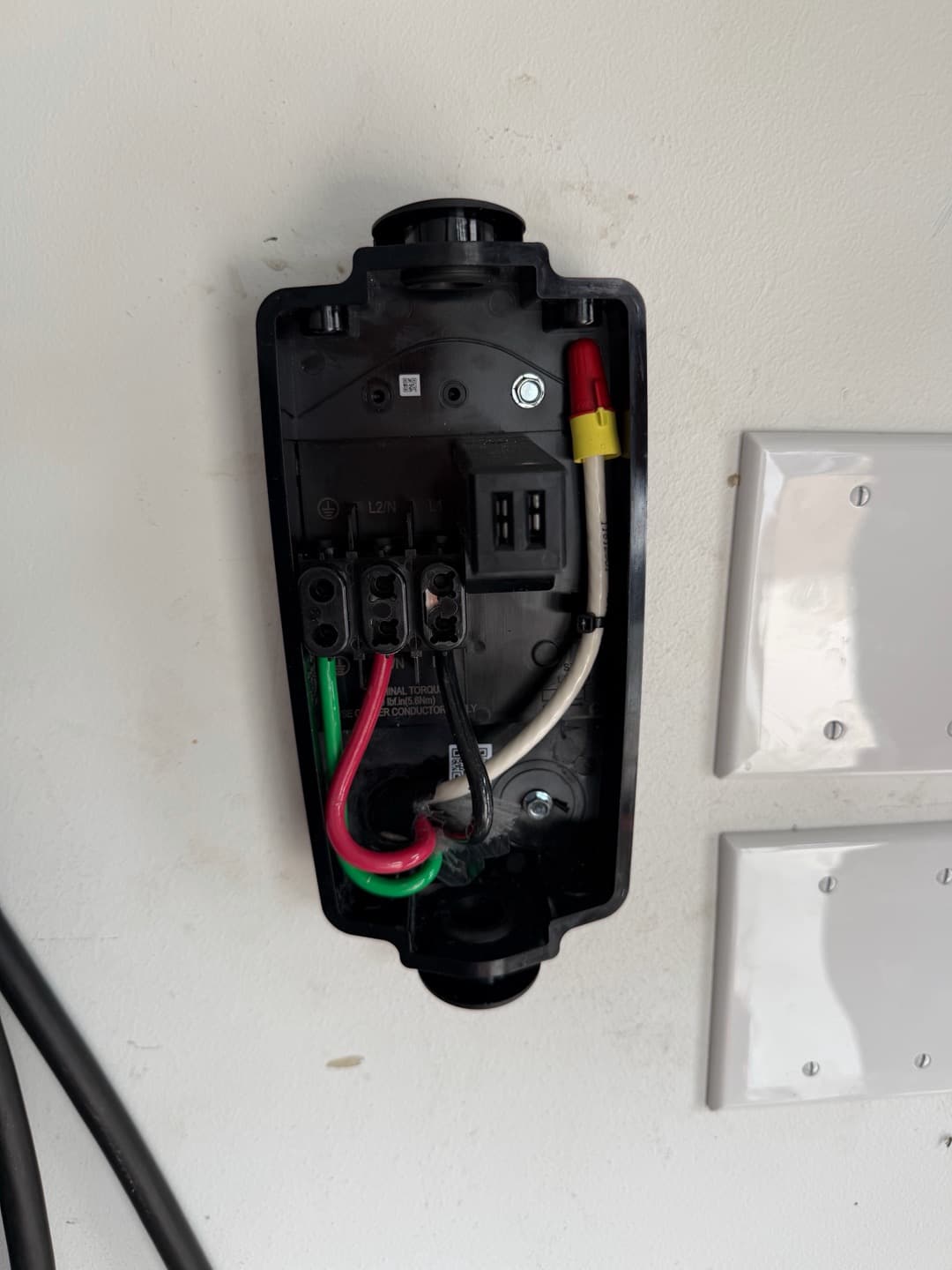
We pulled both units out and started fresh. The right approach for a Tesla Wall Connector is a hardwired connection - not a plug. Hardwiring eliminates the resistance and heat buildup that comes with a plug connection under heavy, repeated load. It's how Tesla designed these units to be installed, and there's a good reason for that.
The wiring inside each Wall Connector gets landed directly to the terminal block - hot, neutral, and ground each going to their correct position and torqued to spec. No shortcuts, no wire nuts on a 240-volt circuit, no guessing. Clean conductors, proper connections, done the way the manufacturer requires.
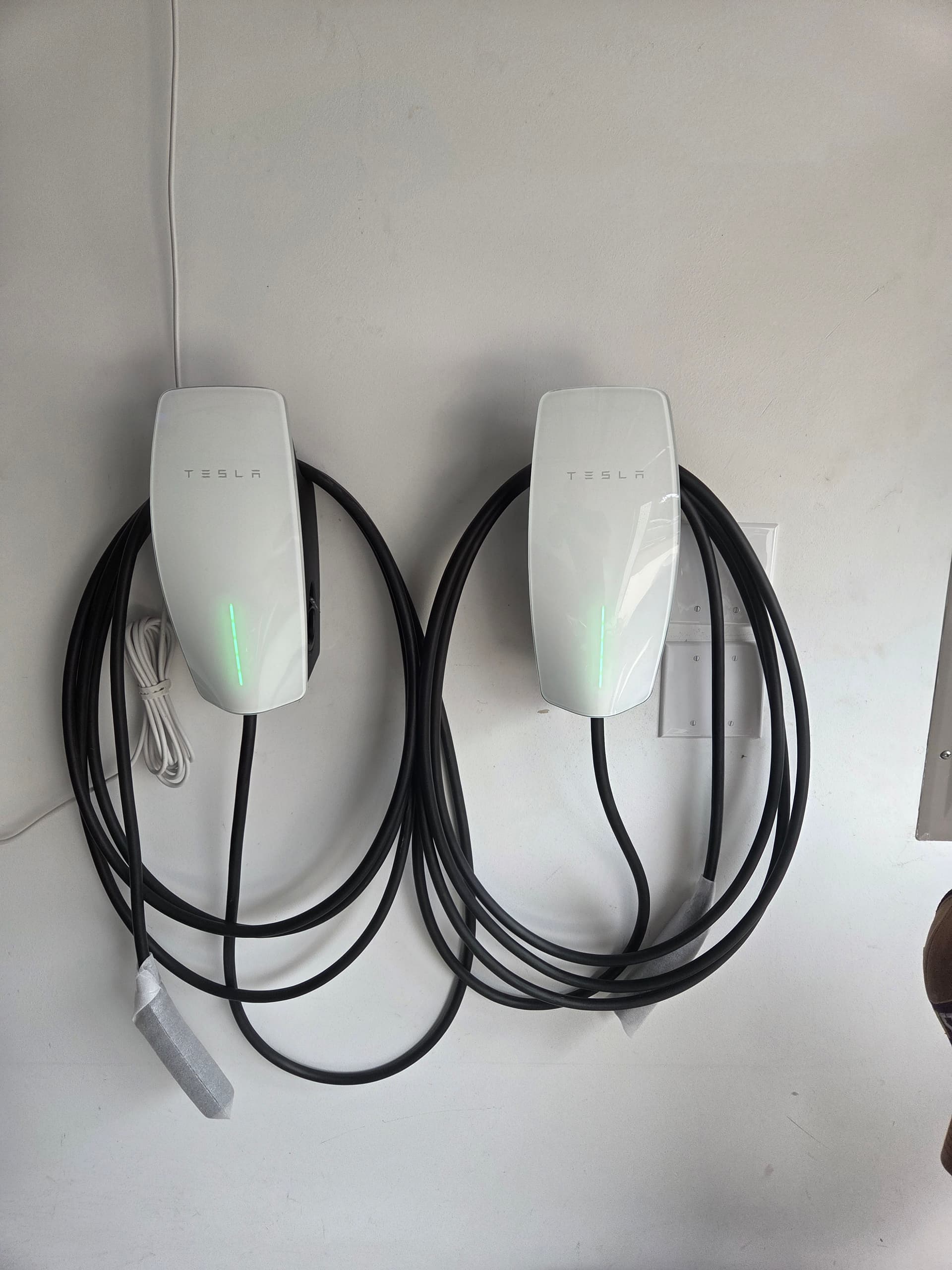
Both Wall Connectors are now hardwired and tied into the electrical panel properly. Each unit shows a solid green status light - ready to charge. Side by side on the garage wall, right next to the panel. Neat, safe, and built to handle the load night after night without breaking a sweat.
A bad EV charger install doesn't always announce itself right away. Sometimes it runs hot for months before something goes wrong. If your charger feels warm to the touch, trips breakers, or was put in by someone who just plugged it into a dryer outlet - it's worth having a licensed electrician take a look before that becomes a much bigger problem.