DuroMax XP13000EH Portable Generator Interlock Kit Installation
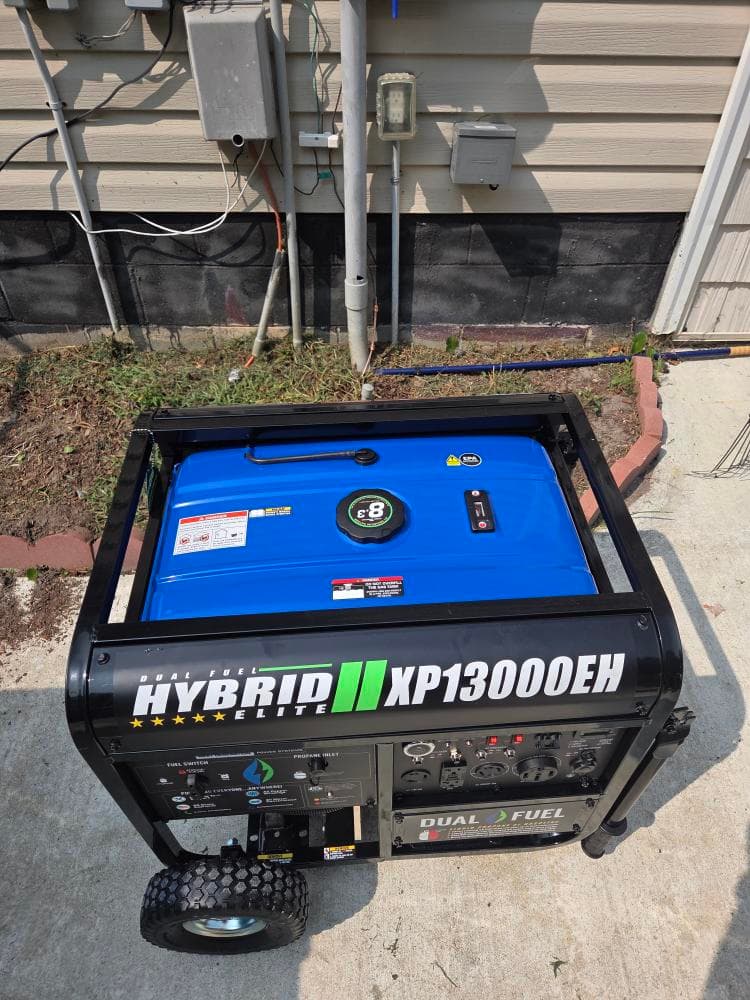
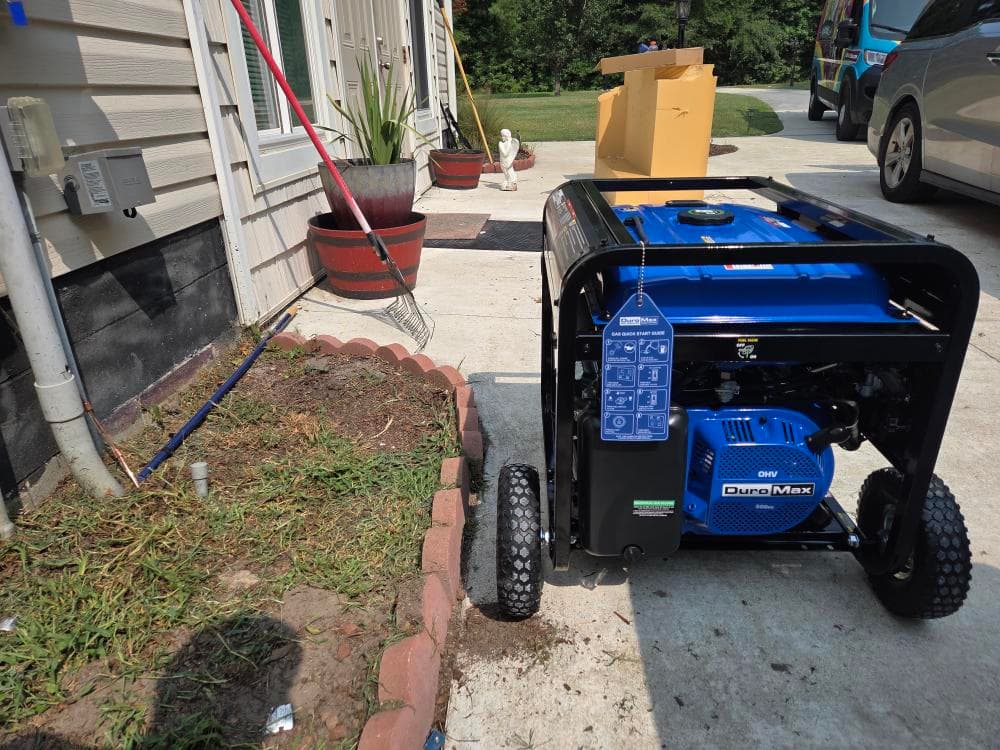
Most homeowners with a portable generator are doing it wrong. Running extension cords through windows or doors to power individual appliances - it works in a pinch, but it's inefficient, it's messy, and honestly it can be dangerous. There's a better way to do this, and that's exactly what we set this homeowner up with.
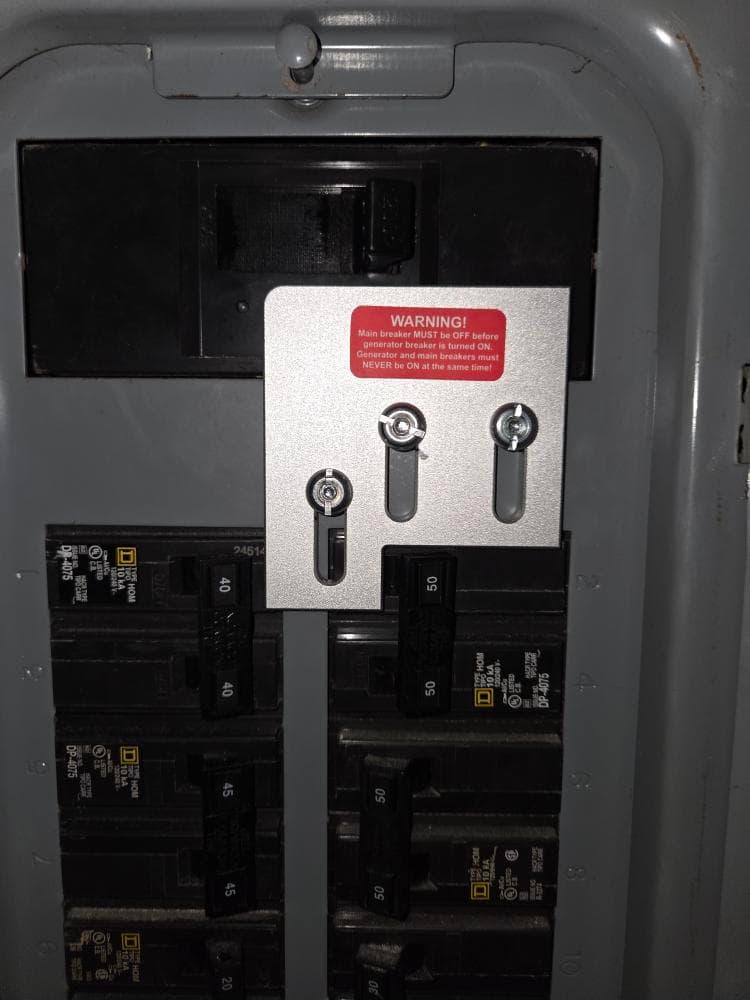
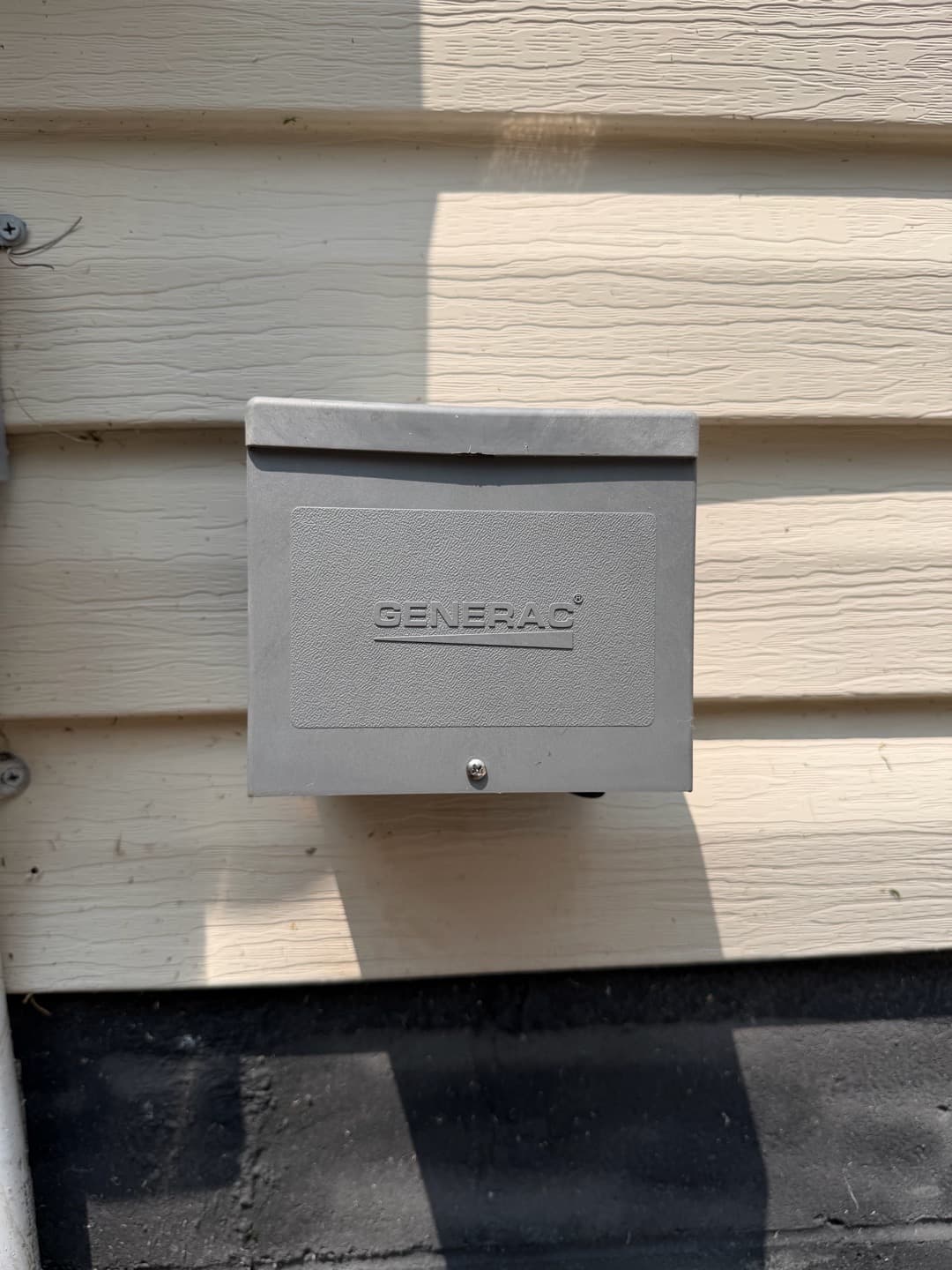
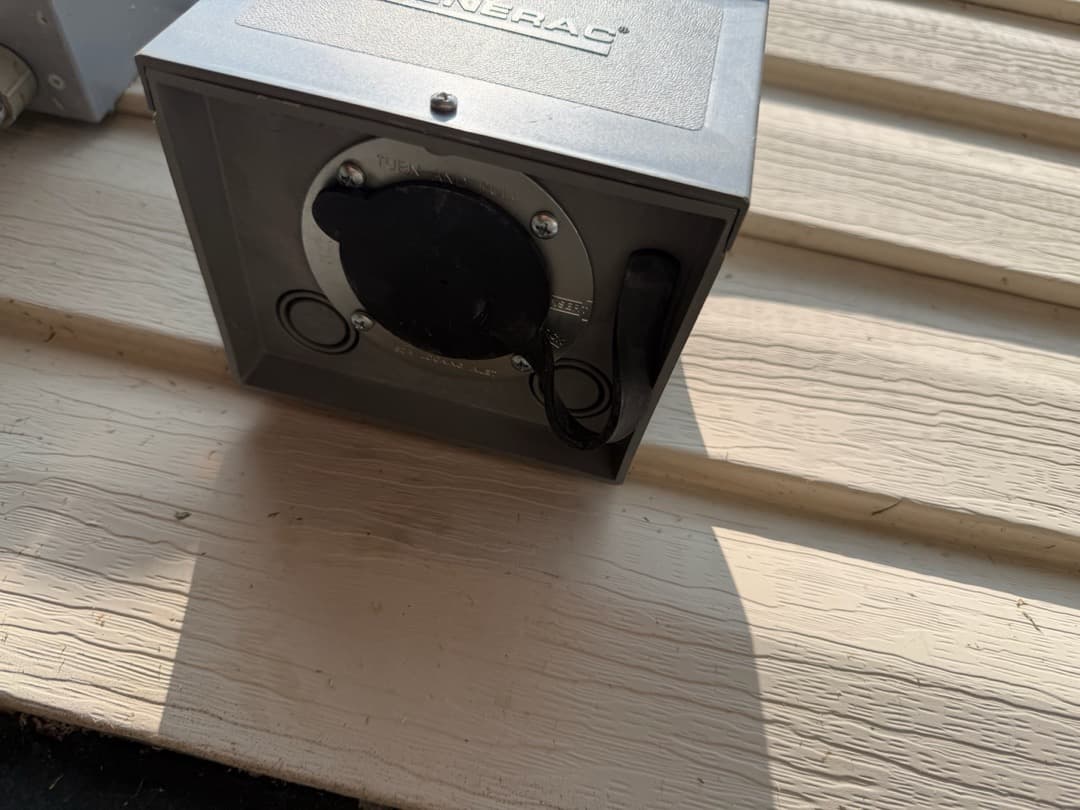
We installed a DuroMax XP13000EH dual fuel generator connection system that actually ties into the home's electrical panel the right way. That means a Generac power inlet box mounted on the exterior of the house and a properly fitted interlock kit on the electrical panel. The interlock kit is the key piece here - it physically prevents the main breaker and the generator breaker from being on at the same time, which protects utility workers and keeps the setup code-compliant. That's not a shortcut we're willing to skip.
The DuroMax XP13000EH itself is a serious machine. Dual fuel means it runs on either gasoline or propane, so the homeowner has options when one fuel source isn't available. That kind of flexibility matters when an outage drags on for days. When the grid goes down, they roll the generator into position, plug the cord into the Generac inlet box on the side of the house, flip the interlock on the panel, and they're powered up. No extension cords. No running to different rooms to plug things in one at a time.
The whole setup - the generator, the interlock, the inlet box - works together as a system. That's what separates a properly done portable generator installation from just having a generator sitting in the garage. When everything is wired and set up correctly, using backup power is actually simple. Stress is the last thing you need when the lights go out.